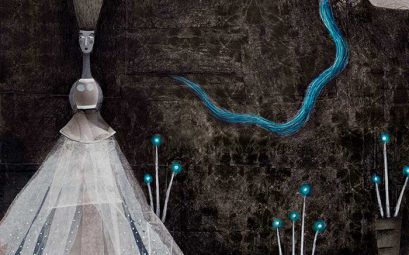
Anabella López «Barbazul»

Иллюстратор Anabella López Автор Charles Perrault Страна Аргентина Год издания 2013 Издательство Calibroscopio Образ книги 2019
Книжки-картинки, отмеченные различными наградами
Иллюстратор Anabella López Автор Charles Perrault Страна Аргентина Год издания 2013 Издательство Calibroscopio Образ книги 2019
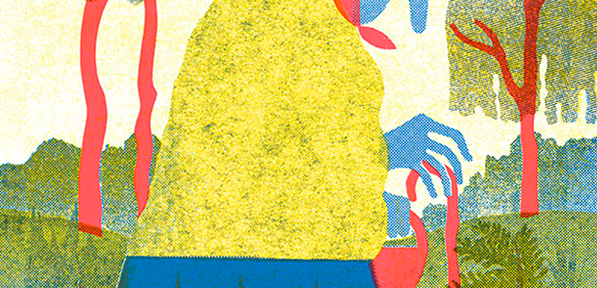
«Ballad» is a story, and like all great stories it deepens with each retelling. «Ballad» builds over seven sequences. The first has three images: school, path, home. The next builds upon the first, giving us: school, street, path, forest, home. The next five sequences take up this story, but with new words and images that nearly double the previous sequence. Here a child encounters the world as he returns home from school, and we see his small world become enormous. This story is as old as the world. It happens every day.
Blexbolex is a bold, highly talented graphic artist. In addition to creating comics, he’s been internationally acclaimed for Seasons, selected as a 2012 New York Times Book Review Best Illustrated Book of the Year; and People.
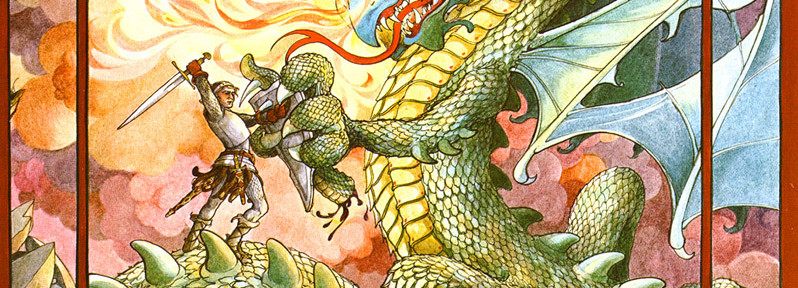
«Saint George and the Dragon» is a book written by Margaret Hodges and illustrated by Trina Schart Hyman. Released by Little, Brown, it was the recipient of the Caldecott Medal for illustration in 1985. The text is adapted from Edmund Spenser’s epic poem The Faerie Queene. This story begins with a nameless knight riding around the plain who has never been to battle. Despite this the Queene of Faeries sends him to fight a dragon who has been terrorizing their land. He travels with Una the princess of the land. On his way to the dragon the knight meets an old hermit on top of a hill who explains to him his English heritage and tells him his name is George. George meets the dragon laying down as if it was a hill itself. The dragon sees his sword and prepares for battle. After a hard fought battle George eventually emerges triumphant and slays the dragon. The king, promising Una to whomever slays the dragon, fulfills his promise and marries George and Una. Although all is well in the land George still fights other battles for the Queene of Faeries and through these battles George becomes Saint George.
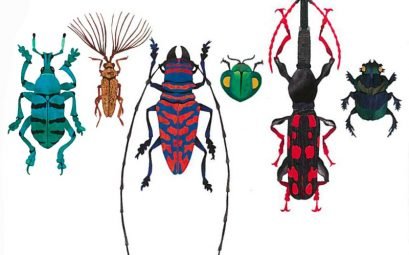
Жуки — удивительные существа, вызывающие искреннее любопытство у детей. Эти не очень-то приятные, по мнению взрослых, насекомые гораздо интереснее и красивее, чем может показаться на первый взгляд. Надо только присмотреться!
В своей необычной книге знаменитый иллюстратор Стив Дженкинс демонстрирует самых разных жуков во всей красе и знакомит маленьких читателей с удивительными фактами из их жизни. Как устроены насекомые, как они растут, чем питаются, где живут, как общаются между собой? Ваш ребенок найдет ответы на эти и многие другие вопросы во время увлекательного путешествия в фантастический мир жуков. Здесь уникальное сочетание — познавательное содержание и изысканные, завораживающие, натуралистичные иллюстрации.
Книги Стива Дженкинса можно узнать с первого взгляда. Он работает в оригинальной коллажной технике, собирая иллюстрации из арт-бумаги. Благодаря использованию бумаги разных фактур и цветов ему удается создать удивительно натуралистичные изображения. На страницах книги, будто под стеклом, лежат настоящие насекомые.
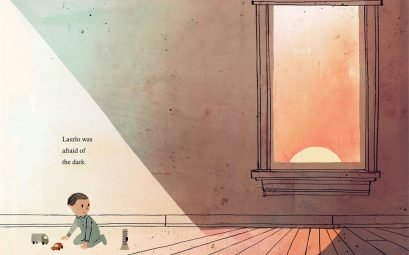
Laszlo is afraid of the dark.
The dark lives in the same house as Laszlo. Mostly, though, the dark stays in the basement and doesn’t come into Lazslo’s room. But one night, it does.
This is the story of how Laszlo stops being afraid of the dark.
With emotional insight and poetic economy, two award-winning talents team up to conquer a universal childhood fear.
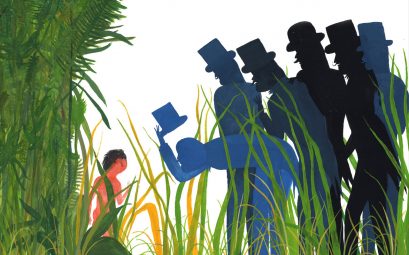
Exchanged for the single mother-of-pearl button that gave him his nickname, an indigenous Tierra del Fuegan boy named Orundellico spent many years in England in the early 1800s as part of a failed experiment in forced civilization. Less a biography than an attempt to represent this alienating experience from Jemmy’s point of view, it is distinguished by lyrical prose-poetry («Come away with us and taste our language, see the lights of our world,» the British explorers tell Jemmy) and intensely creative and beautifully conceived paintings. On matte pages, Jemmy, a paper-doll figure with red ochre skin and curly black hair, walks naked through throngs of top-hatted and gowned silhouettes, all the same shade of blue. His guardians buy him clothes and take him to concerts, but the paintings show him always set apart from his companions. «Jemmy felt almost at home. Almost, but not quite.» As a snapshot of colonial betrayal, it evokes regret, longing, guilt, and awe—an assortment of feelings that might make the book more attractive to grownups than to children.
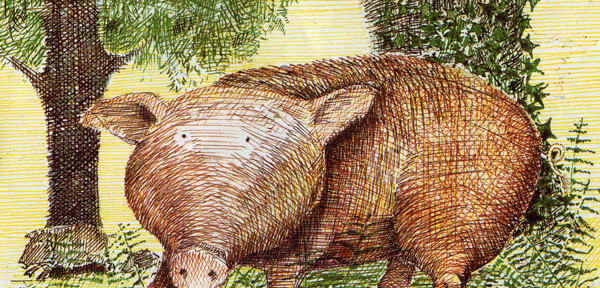
Однажды мистер Гампи отправился на прогулку по реке. В этом маленьком путешествии ему встретились дети, кролик, кошка, собака, свинья, бычок, коза, куры и овца. Мистер Грампи пускал в лодку всех, но он любил порядок и просил новых друзей не плескаться, не прыгать, не хлопать крыльями и не топать. В итоге никто, конечно же, его не послушался, и лодка перевернулась. Все благополучно доплыли до берега, и мистер Гампи повел всю компанию через поле к себе домой, пить чай.
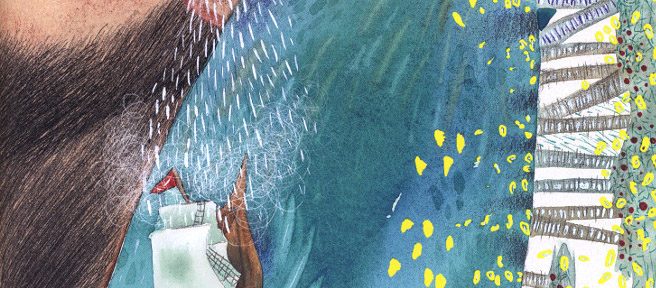
Светлана Акатьева — молодая художница, автор этих замечательных рисунков, в детстве путешествовала с бароном Мюнхаузеном и наблюдала за всеми его невероятными приключениями. На вырванных из школьной тетради страничках она делала бесконечное число зарисовок о похождениях барона, а рисунки складывала в сундyк, который с незапамятных времен стоял на чердаке старого дома. Учёные, гордо называющие себя «мюнхаузеноведами», утверждают: именно этот дом, украшенный гербом с изображением монаха, когда-то принадлежал старинному роду Мюнхаузенов.
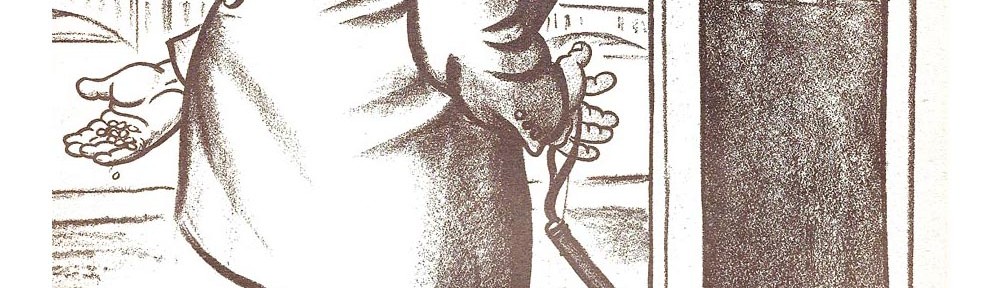
Книга «Дорогу утятам!» была написана в 1941 году. На следующий год Роберт Макклоски получил за нее медаль Кальдекотта — престижную американскую премию, ежегодно вручаемую иллюстраторам детских книг.
И вот уже больше семидесяти лет ее читают малышам по всему миру.
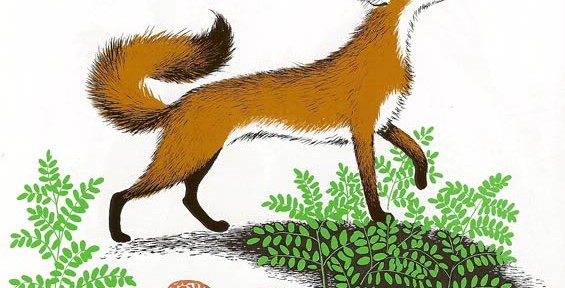
In the children’s book Chanticleer and the Fox, Barbara Cooney adapted and illustrated the story of Chanticleer and the Fox as told in The Nun’s Priest’s Tale in Chaucer’s Canterbury Tales, translated by Robert Mayer Lumiansky. Published by Crowell in 1958, it was the recipient of the Caldecott Medal for illustration in 1959. It was also one of the Horn Book «best books of the year». The book had its beginnings in Cooney’s delight in the colorful plumage of some exotic chickens she happened to see in the late afternoon October sunlight. However, it wasn’t until she read the Nun’s Priest’s Tale that she realised where and how she could express this artistic impulse. There followed a period of research on medieval times. As with much of her illustration for the previous twenty years, Cooney used a scratchboard technique. As each additional color cost money, Cooney was granted five colors, at least for half the pages, by Crowell. Some pages would be in two colors, red and black, while some double spreads would be split, ideally so that the discrepancy would not be noticed or, better, that the picture would benefit.